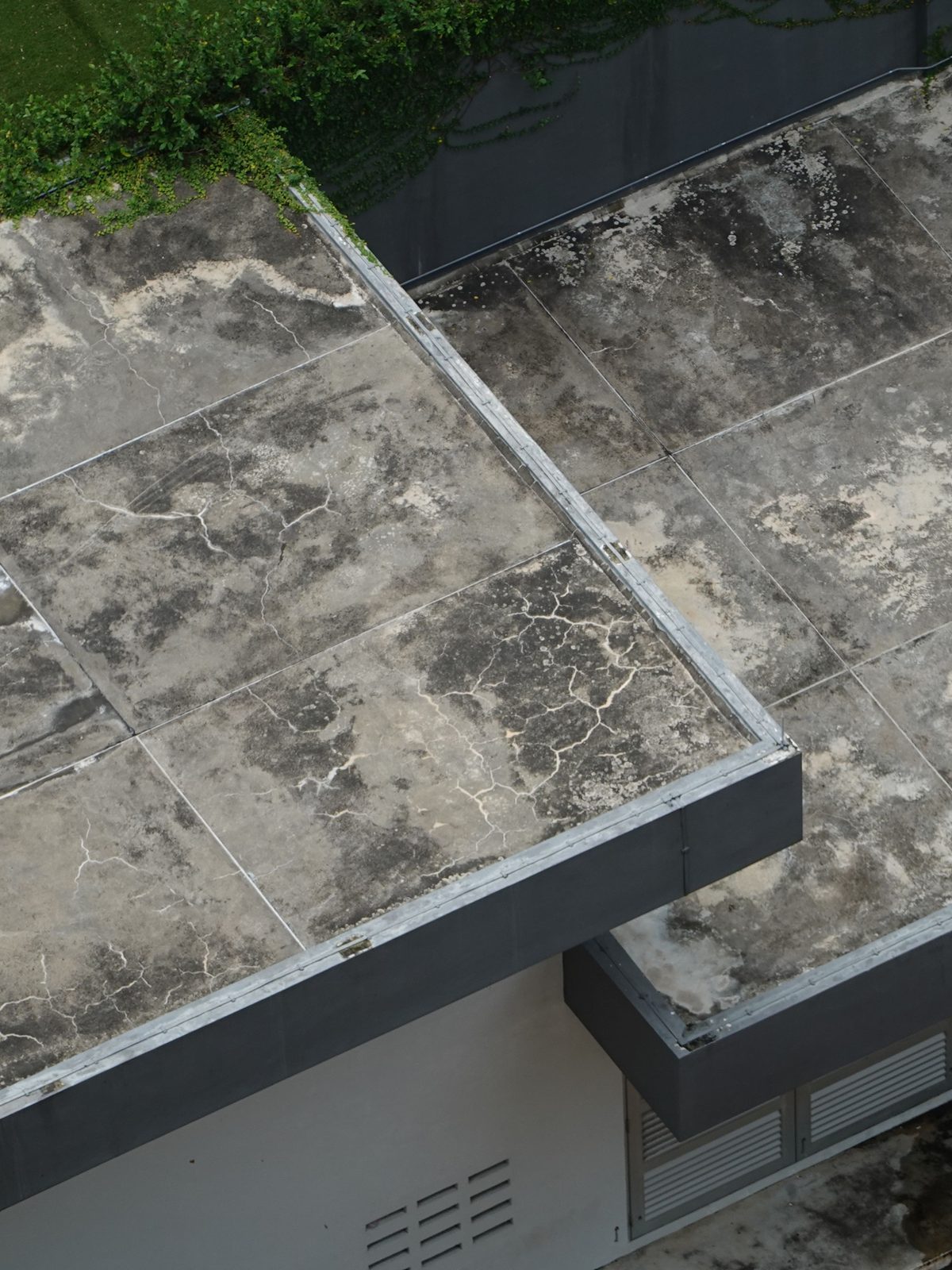
Whether a roof leak claim is covered depends on why the roof leaked. Insurers usually cover leaks caused by a sudden covered event, and usually deny leaks caused by age or wear. Your own policy decides your case, but that is the line almost every decision is drawn along.
So the claim is not really about the water. It is about the cause of the opening the water came through, and about how quickly you acted once you saw it. Both of those are things you can document, and neither can be reconstructed after the ceiling has been patched.
Likely covered
- A storm damaged the roof and rain entered through the damage
- A tree limb punctured the roof
- Hail broke roofing materials and water followed
- Wind lifted flashing or edge metal and left an opening
Likely not covered
- The roof was old and worn and began to leak
- Flashing or sealant failed slowly over time
- The leak went unrepaired and caused long term damage
- Water entered because of a defect in how the roof was built
Why the cause question is decided against owners
Leaks are the hardest roof claims to win because a leak looks the same whatever caused it. A hole made by a limb and a seam that gave up with age both produce a brown stain on a ceiling. The insurer sees the stain, sees the age of the roof, and applies wear and tear reasoning unless something in the file argues otherwise.
What argues otherwise is a dated cause. An inspection that says the leak enters at a lifted flashing on the windward slope, that the flashing was displaced, and that a storm passed over on a stated date, is a different document from one that reports a leak in the kitchen. Ask for that level of detail and ask for photographs of the entry point.
What to do in the first day
- Stop the water spreading. Catch it and move belongings. Pierce a bulging ceiling only if you can do it safely, because trapped water spreads along the plaster.
- Photograph before you clean up. Wide shots of the room, then close shots of the stain, all dated.
- Get the building dry. Fans and dehumidifiers, and keep running them. Drying quickly is what limits the secondary damage that insurers argue about later.
- Have the roof looked at. A temporary cover stops the next rain from adding to the loss.
- Report it. Do this while you are still finding out the cause. The inspection report can be added to an open claim.
Where roofs actually leak
| Entry point | Typical cause | What the report should say |
|---|---|---|
| Flashing at walls and chimneys | Displaced or lifted by wind, or sealant failure with age | Which it is, and whether the displacement is recent |
| Valleys | Impact damage, debris build up or worn metal | Whether the surface is broken or simply worn |
| Vents and pipe boots | Cracked collars, loosened fasteners | Whether the crack is weathering or impact |
| Field of the roof | Missing, creased or punctured coverings | The storm direction and the slope affected |
The right hand column is the part owners forget to ask for. Naming the entry point is useful. Saying what caused it decides the claim.
Interior damage
Even when the roof repair itself is not covered, some policies respond to sudden interior water damage. The two are handled separately in most estimates, so ask which parts of the loss are in the scope and which are not, and get the reason in writing.
Document the leak
- Photos of the ceiling, walls and damaged belongings
- When you first noticed it and the weather that day
- A roofer’s report on the cause of the leak
- Photographs of the attic and any wet insulation
- Moisture readings taken before drying begins
- Receipts for emergency drying or tarping
Date everything. A dated sequence showing a storm, then a stain, then a report naming the entry point is a chain an adjuster can follow.
When the leak follows a storm
If the leak appeared after a specific event, the claim is really a storm claim with water damage attached, and the evidence is on the roof rather than the ceiling. Read the storm and wind guide for what wind does to edges and seals, and the hail guide if impacts are the likely cause.
Next steps
The cause is the heart of the claim, so an inspection that names it clearly is worth more than any other document you can produce. Once you have it, follow the full claim process and check the state pages for what your state expects on notice.
This page is general information, not legal, financial or insurance advice. Our part is the inspection and the written record of the cause. Where a claim needs somebody to act for you, we can introduce you to a partner who is a licensed public adjuster or an attorney in your state, and they work with you directly. Your policy and your carrier decide what is covered.
Common questions
Is mold from a roof leak covered by insurance?
It depends on your policy, and mold is one of the most commonly limited items in a homeowners contract. Many policies cap what they pay for remediation, and many exclude it where it follows a leak left unrepaired.
- The cause of the water and the speed of your response usually matter more
- So drying is a priority from the first day
- Run dehumidifiers and fans, and photograph wet materials before removal
- Keep every invoice for the drying work
A record showing you responded promptly is the most useful thing you can hold if mold appears later. Ask your insurer to send the mold provision in writing, with any limit, before the remediation quotes arrive. Where anyone in the household has a health concern, treat that as a matter for a qualified professional, since an insurer will expect a written report from one.
How long do I have to report a roof leak to my insurer?
Your policy sets the requirement, usually worded as prompt notice after you discover the loss, and your state may impose its own outside limits. The clock normally runs from discovery, not from the day the roof first failed.
- Report as soon as you find water, before you know what caused it
- Waiting invites the argument that the damage grew because you did nothing
- That is the ground on which leak claims are most often refused
- Notice and the period to bring suit are separate clocks running together
If time has passed, write down when you first saw the stain, what the weather was doing and why it was not found sooner. A leak above an unused room is a normal explanation worth stating plainly. Ask the insurer to confirm in writing which deadlines apply, and your state insurance department for any the state sets.
Is it worth filing a claim for a small roof leak?
Often not. Where the repair costs less than your deductible, filing produces no payment and still puts a claim on your record.
- Get a written repair estimate and compare it with your declarations page
- A large interior loss changes the answer quickly
- Do not judge the size from the ceiling stain, because water travels
- Wet decking, insulation, framing and flooring can far exceed the roof patch
Ask the roofer to open up enough to say what is wet before you settle on a number. There is also a longer view: insurers keep a record of every claim, and your history is visible to other carriers when you shop, so ask your agent how a reported claim is recorded. Whatever you decide, repair the leak, because an unrepaired one becomes the reason a larger claim is refused later.
Will my insurer pay to find the source of a hidden leak?
Sometimes, and it turns on your policy wording. Some contracts pay the reasonable cost of accessing and repairing the part of the building that caused covered water damage, and others do not.
- Ask in writing before you authorize any destructive investigation
- Have the answer recorded on the claim file
- Water runs along decking, rafters and pipes before it drops
- So the stain is often some distance from the hole
- Moisture meters, infrared scanning and controlled water testing trace it
The resulting report names the cause, and that matters more than the repair invoice because cause is what the insurer is deciding. Photograph everything before it is closed up, since once the ceiling is patched the claim rests on what was recorded while the building was open. Keep the photographs, the moisture readings and the written findings with the claim file.
Should I repair a leak before the adjuster arrives?
Stop the water, but do not complete the permanent repair. Most policies expect you to prevent further damage, so tarping, sealing temporarily, drying and catching water are all expected of you.
- A finished repair removes the evidence the adjuster needs
- Make the temporary work reversible and well documented
- Photograph and film the damage before you touch it
- Photograph the temporary work once done, and keep what was removed
- Keep receipts and invoice emergency work separately from the repair
If the water cannot be stopped without a proper repair, tell the insurer in writing that you are proceeding, explain why and ask it to confirm. Take a full photographic record first, including the underside of the deck if you can reach it. Insurers understand urgent work, but they cannot assess a repair that happened with no record of what was there.